
Menstruation affects half the world, yet silence still surrounds it. The persistence of period taboos across cultures can be traced to history, tradition, and widespread social discomfort, all of which continue to shape attitudes today. Education and advocacy are beginning to challenge these constraints, particularly for school-aged girls navigating puberty in Pakistan, India, Latin America, and many Asian countries, where openness around menstruation remains uneven.
Cultural Roots and Historical Silence
Cultural beliefs have long framed menstruation as impure or private, reinforcing separation and shame. Religious interpretations, inherited customs, and patriarchal norms passed across generations create barriers to understanding. Understanding why menstrual health and hygiene is important for girls, because misinformation affects nutrition, school attendance, and self-esteem. When menstruation is treated as something to hide, learning gaps widen, and health risks grow, particularly in conservative settings where discussion is discouraged.
Education as a Turning Point
Clear, age-appropriate learning can transform fear into confidence. Puberty and menstruation education for teenagers is a powerful equalizer, helping young people understand bodily changes without embarrassment. School curricula, parent conversations, and youth-friendly resources normalize periods as biology rather than a secret.
Normalizing Conversations Early
Menstrual awareness programs for schools are a practical way to replace secrecy with understanding from an early age. When age-appropriate lessons are introduced before stigma takes hold, students learn empathy, respect, and basic health knowledge together.
Advocacy and Community Change
Sustainable progress depends on collective action that respects local context. Advocating for menstrual dignity and rights can serve as a bridge between education and policy, fostering respectful dialogue and the development of inclusive solutions. When conversations move into public spaces—media, classrooms, and family settings—silence loses power, and healthier norms take root.
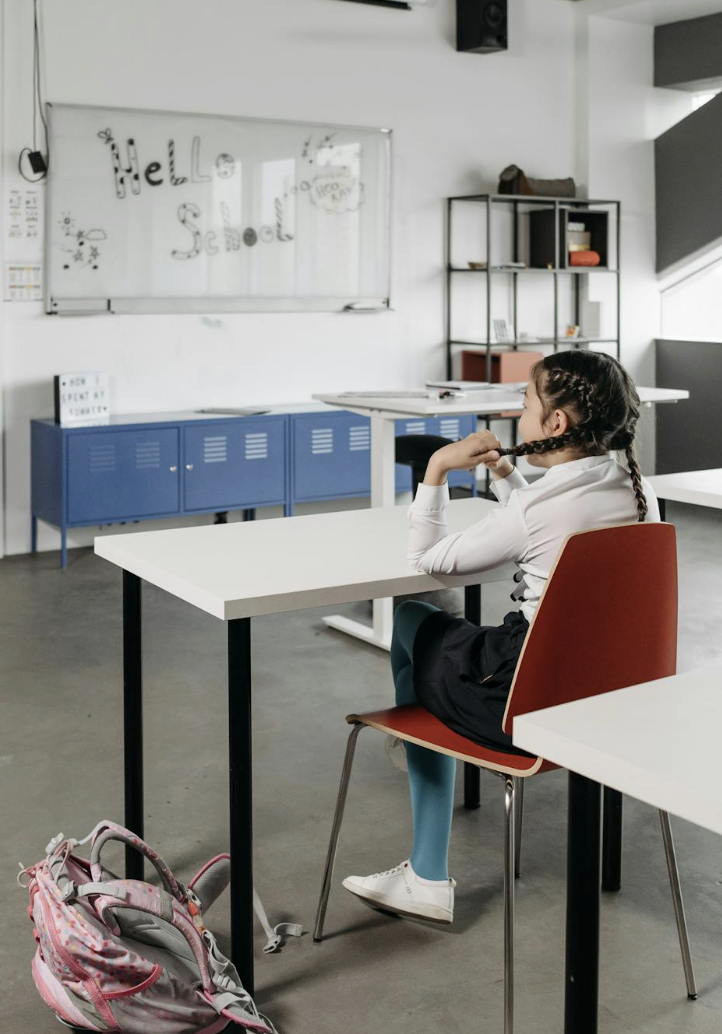
Supporting Menstrual Dignity for Young Girls
We are Nishka Utpat and Kaanchi Utpat, two teenage sisters who have started a 501(c)(3) nonprofit charity called Utpat Foundation, committed to advancing menstrual equity programs for teens and preteens. Our goal is to raise awareness among preteens and teenage girls about menstrual hygiene, education, and other social issues. Through our efforts, we strive to help young girls understand their coming-of-age experiences, dispel fears, and build confidence in managing their menstrual health. The Utpat Foundation also runs a podcast, Girlhood Unfiltered, available on Apple iTunes, Spotify, Google Podcasts, and Amazon Audible. Additionally, we have a YouTube channel, Utpat Sisters, with over 4.7k subscribers and 279k+ views, dedicated to empowering young girls through education and awareness. For sponsoring our initiatives, partnering with nonprofits supporting menstrual health, or collaborating with us, reach out at utpatfoundation@gmail.com.
