
Getting a period can come with several physical and emotional changes, especially during the first few years of menstruation. Some discomfort is common, but certain symptoms may deserve additional attention. Helping girls understand the difference can make it easier for them to recognize changes in their bodies and speak with a trusted adult or healthcare professional when something does not feel right.
What Period Symptoms Are Common?
Menstrual experiences can vary from person to person. Mild cramps, bloating, tiredness, headaches, breast tenderness, and mood changes can occur before or during a period. Some girls may experience only a few of these symptoms, while others may notice several.
Cycles can also be unpredictable when menstruation first begins. Learning about menstrual symptoms girls should know can help teenagers understand that their experiences may not look exactly like those of their friends or family members.
Signs That May Need More Attention
While many period symptoms are part of normal menstruation, certain changes should not simply be ignored.
The following signs can be useful for girls, parents, and educators to recognize.
Very Heavy Bleeding
Heavy bleeding may involve needing to change a pad unusually frequently, bleeding through clothing or bedding repeatedly, or having periods that interfere significantly with everyday activities. If bleeding seems excessive or leaves a girl feeling unusually weak or tired, she should tell a trusted adult and discuss it with a healthcare professional.
Severe or Disabling Pain
Cramps can be uncomfortable, but severe pain that prevents a girl from attending school, sleeping, participating in activities, or completing normal routines may warrant medical attention. Pain that consistently feels overwhelming should not be dismissed as something a girl simply has to tolerate.
Very Irregular or Changing Cycles
Periods can be irregular during puberty as the menstrual cycle develops. However, significant changes in a previously established pattern or long gaps between periods may be worth discussing with a healthcare professional.
Keeping track of periods can help identify patterns. A simple calendar or period-tracking tool can record the first day of bleeding, how long it lasts, and any symptoms that occur.
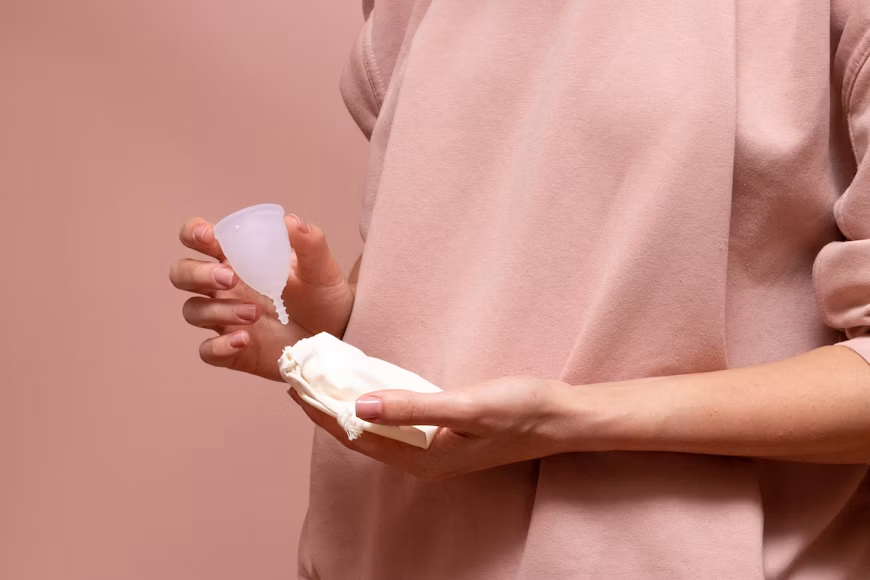
Encourage Open Conversations About Periods
Age-appropriate puberty and menstruation education for teenagers can give girls the vocabulary and confidence to explain what they are experiencing. It can also help challenge the idea that severe discomfort or unusual symptoms should always be kept private.
At Utpat Foundation, we are Nishka Utpat and Kaanchi Utpat, two teenage sisters who founded a 501(c)(3) nonprofit to make conversations around puberty and menstrual health more open and empowering. Through our educational work and resources, we help young girls better understand the changes that come with growing up.
Reach out to Utpat Foundation to learn more about our initiatives and find ways to support menstrual health education for the next generation.
