
Learning about menstruation should help young girls feel informed, not overwhelmed. The right educational resources can introduce puberty and menstrual health in a way that is clear, respectful, and easy to understand. Well-designed menstrual learning materials for preteens can give girls practical knowledge while leaving room for questions and individual experiences.
This blog explores the key elements that can make menstrual education more accessible, engaging, and appropriate for younger learners.
Build Materials Around Different Learning Needs
Young people absorb information in different ways. Educational resources can use a combination of written explanations, illustrations, diagrams, videos, activities, and real-life examples to make concepts easier to understand.
There are several elements that can make these resources more effective.
Use Age-Appropriate Language
The wording should match the age and development of the audience. Information can be accurate without becoming unnecessarily technical.
Clear explanations can help girls understand what is happening in their bodies without making the subject feel more complicated than it needs to be.
Include Practical Hygiene Guidance
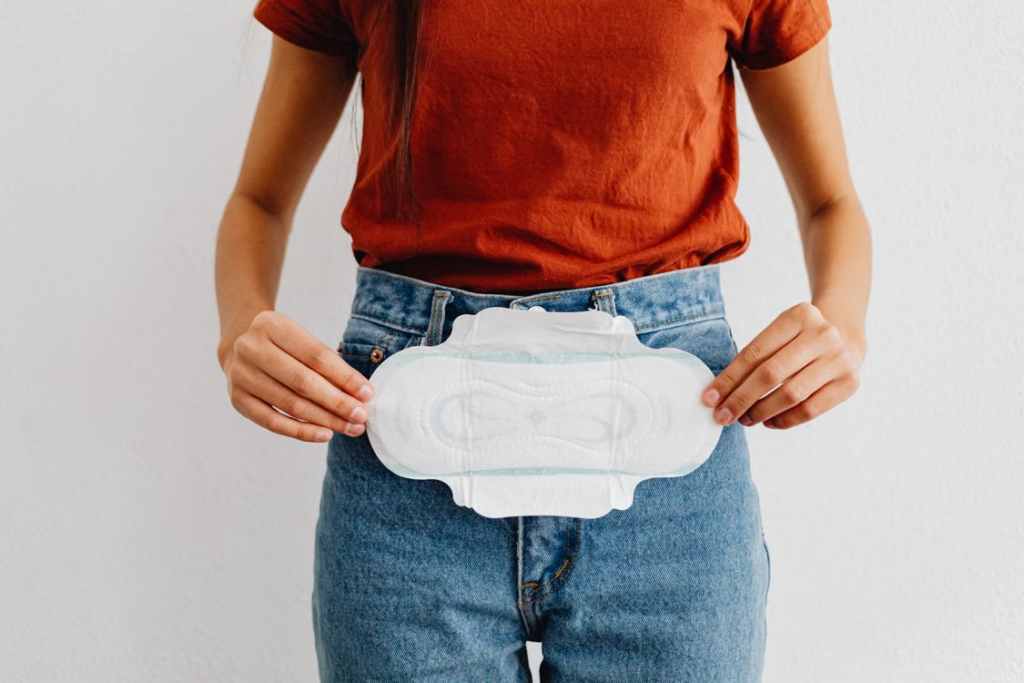
Educational materials should explain everyday menstrual hygiene in a practical way. This can include how to use and change menstrual products, how to dispose of used products, and why handwashing is important.
Resources addressing nonprofit menstrual health hygiene resources can also give families and educators additional options for finding reliable information.
Use Relevant and Inclusive Examples
Cultural expectations and experiences surrounding menstruation can differ between families and communities. Examples should be respectful of these differences while reinforcing accurate health information.
This can help girls recognize that menstrual experiences may vary and that there is no single way to experience puberty.
Make Room for Questions
A good learning resource should not make girls feel that they need to understand everything immediately. Question prompts, discussion sections, or opportunities to speak with a trusted adult can make learning more interactive.
Questions can also reveal where students need additional clarification, allowing educators to address concerns before misconceptions become established.
Avoid Overloading Young Learners
Menstrual education can cover many subjects, but trying to explain everything at once may make the information harder to remember. Materials should focus on essential concepts first and introduce more detailed information gradually.
Menstrual awareness programs for schools can use age-appropriate lessons that build knowledge over time rather than treating menstrual education as a single conversation.
Making Menstrual Education More Accessible
We are Nishka Utpat and Kaanchi Utpat, two teenage sisters who have started a 501(c)(3) nonprofit charity called Utpat Foundation, committed to advancing menstrual equity programs for teens and preteens. Our goal is to raise awareness among preteens and teenage girls about menstrual hygiene, education, and other social issues. Through our efforts, we strive to help young girls understand their coming-of-age experiences, dispel fears, and build confidence in managing their menstrual health. The Utpat Foundation also runs a podcast, Girlhood Unfiltered, available on Apple iTunes, Spotify, Google Podcasts, and Amazon Audible. Additionally, we have a YouTube channel, Utpat Sisters, with over 4.7k subscribers and 279k+ views, dedicated to empowering young girls through education and awareness. For sponsoring our initiatives, partnering with nonprofits supporting menstrual health, or collaborating with us, reach out at utpatfoundation@gmail.com.
