
Across communities in India, a quiet revolution is taking place. For generations, silence and secrecy surrounding menstruation have kept young girls from accessing proper health resources and understanding their own body’s natural processes. Today, local leaders, dedicated teachers, and youth activists are standing up to change this narrative. By rallying together, these grassroots advocates are breaking menstrual stigma in underserved communities, ensuring that adolescent girls no longer face shame or health hazards during their monthly cycles.
Grassroots Leadership Transforming Cultural Mindsets
Community-led advocacy begins with courageous individuals who choose to speak openly about period health. In rural villages and urban settlements, local women leaders and community health workers are hosting open discussions to address deeply entrenched taboos. When trusted community figures lead these conversations, families begin to understand why menstrual health and hygiene are important for girls and how proper care directly affects a child’s overall well-being.
These localized efforts focus on dispelling harmful myths that restrict girls’ mobility, diet, and daily routines during their periods. By educating caregivers alongside youth, grassroots advocates ensure that home environments become supportive spaces. As families embrace open dialogue, young girls gain the confidence to speak up about their physical needs and seek timely guidance when experiencing health complications.
The Critical Role of Schools and Teachers
Schools serve as vital hubs for social change and health advocacy. Teachers and administrators across various states are stepping forward to integrate comprehensive menstrual education directly into classroom learning. When schools actively teach body literacy and puberty health before students reach menarche, young girls are far better prepared for the physical changes ahead.
Early education also plays a massive role in preventive health care. Without accurate guidance, girls often turn to unsafe absorbents, leading to uncomfortable symptoms and common infections such as Urinary Tract Infections (UTIs) and Reproductive Tract Infections (RTIs). By emphasizing why menstrual education is essential, educators teach students safe hygiene practices, such as changing absorbents regularly and drying reusable materials under direct sunlight. This proactive approach drastically reduces the risk of infections, ensuring that health issues do not interrupt a student’s education.
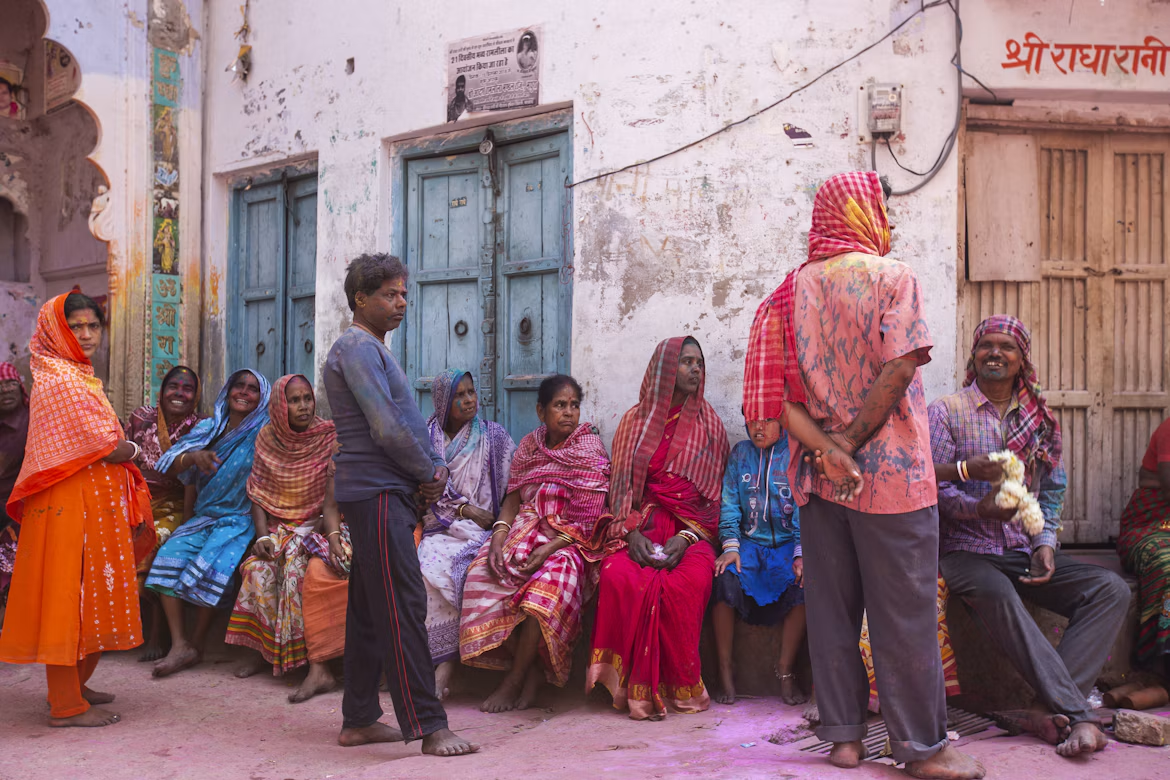
Pushing for Policy Changes and Lasting Dignity
Grassroots advocacy does not stop at local workshops; it extends to policy-level recognition. Youth activists are actively lobbying school boards and regional government bodies to mandate clean water, private sanitation facilities, and free pad dispensers in educational institutions. They emphasize to local authorities why menstrual health hygiene is important for girls and how adequate school infrastructure directly reduces dropout rates.
Furthermore, these community initiatives demonstrate that breaking menstrual stigma in underserved communities requires engaging boys and men. When young men participate in health discussions, schoolyard teasing decreases, creating a safer, more empathetic environment for everyone. Through combined policy advocacy and education, communities are building sustainable networks that protect every student’s dignity.
Join Hands with Utpat Foundation
At Utpat Foundation, we believe that true empowerment starts at the grassroots level. Our team works side by side with local advocates, teachers, and volunteers, focusing on breaking menstrual stigma in underserved communities through sustained outreach and policy advocacy.
We are dedicated to expanding comprehensive menstrual education so that every young girl understands why menstrual health and hygiene are important for girls and can protect herself against preventable risks. You can help us amplify these grassroots movements today. Reach out to us to support our community workshops, partner with our advocate network, or sponsor educational materials for local schools. Together, we can build a world where menstrual dignity belongs to everyone.
