
In many underserved communities across India, millions of adolescent girls and women navigate their monthly cycles without basic sanitary supplies. When financial hardship and social stigma block safe options, young girls are forced to improvise with materials found at home—such as old period rags, ash, sand, or dried husk. While these items serve as an immediate response to scarcity, they carry severe medical consequences. Understanding the direct link between unhygienic absorbents and Reproductive Tract Infections (RTIs) highlights why safe supplies are an urgent healthcare necessity.
How Improvised Materials Trigger Severe Infections
Using improvised absorbents introduces harmful bacteria directly into the body’s most delicate tissues. Rough materials like coarse husk or unwashed fabric create microscopic abrasions on sensitive skin, breaking down natural protective barriers.
Furthermore, old period rags are rarely sanitized properly. Due to social taboos surrounding menstruation, girls often wash reusable cloths without soap and hide them in dark, damp indoor corners rather than drying them under direct sunlight. Moisture trapped inside unventilated cloth creates an ideal breeding ground for bacteria and fungi. When these contaminated fabrics are reused, pathogens enter the vaginal canal, rapidly multiplying and triggering painful Reproductive Tract Infections.
Long-Term Health Consequences of Untreated RTIs
Reproductive Tract Infections cause far more than temporary physical discomfort. Common early symptoms include severe itching, burning sensations, abnormal discharge, and chronic pelvic pain. Because period health remains shrouded in shame, many adolescent girls endure these symptoms in silence without seeking medical treatment.
Left untreated, RTIs can ascend into the upper reproductive system, leading to Pelvic Inflammatory Disease (PID), chronic abdominal pain, ectopic pregnancies, and even permanent infertility. Expanding access to menstrual hygiene products for low-income girls is essential to interrupting this cycle of preventable illness. When young women receive clean, sterile absorbents and factual health education, rates of reproductive infections drop dramatically.
Breaking the Cycle Through Safe Product Access
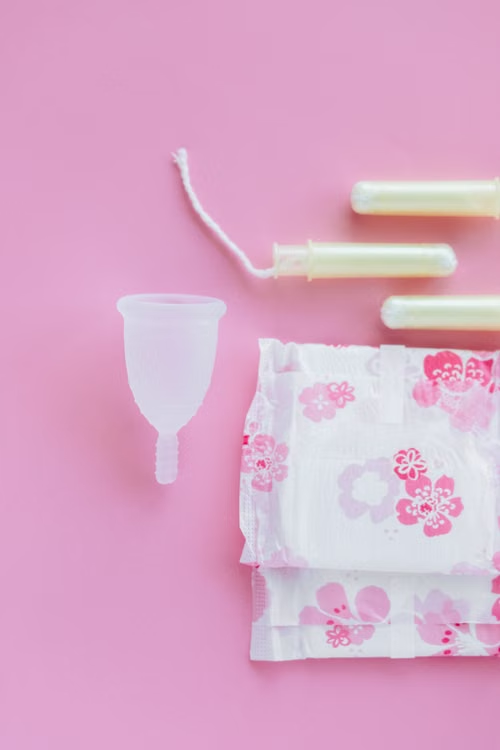
Protecting adolescent health requires replacing dangerous makeshift alternatives with reliable, hygienic supplies. Initiatives focused on providing sanitary pads to marginalized communities ensure that financial constraints never force a young girl to compromise her physical well-being.
Combining product distribution with community workshops empowers girls to understand basic anatomy, recognize early warning signs of infection, and practice safe sanitation habits. By prioritizing access to menstrual hygiene products for low-income girls alongside open education, communities safeguard both immediate health and long-term reproductive futures.
Join Hands with Utpat Foundation
At Utpat Foundation, we believe no girl should risk her long-term health simply because she lacks basic hygiene supplies. We are dedicated to providing sanitary pads to marginalized communities and delivering compassionate health education that protects young women from preventable Reproductive Tract Infections.
Our team works directly in schools and underserved neighborhoods to ensure every student has safe supplies and accurate knowledge. You can help us replace dangerous makeshift alternatives with dignity and safety. Visit our website today to donate a hygiene kit, support our school workshops, or partner with us to protect the health of every young girl.
