
Adolescence brings many changes, and menstruation is one of the experiences that can make growing up feel unfamiliar. When girls understand what is happening to their bodies, they are more likely to approach these changes with confidence instead of fear or embarrassment. Good education can give young people practical knowledge while creating space for honest questions and supportive conversations.
Understanding the Changes That Come With Puberty
Puberty does not happen exactly the same way for everyone. Girls may experience breast development, body hair, growth changes, skin changes, vaginal discharge, and eventually menstruation at different times.
Learning about these changes beforehand can make them feel less surprising. Puberty and menstruation education for teenagers can help young people understand that there is a wide range of normal experiences and that they do not need to compare their development with their friends.
Building Body Literacy and Everyday Confidence
Body literacy means understanding basic information about your body and recognizing changes that may need attention. For a young person entering adolescence, this can include knowing what a menstrual cycle is, understanding basic hygiene, recognizing common period symptoms, and knowing when to ask for help.
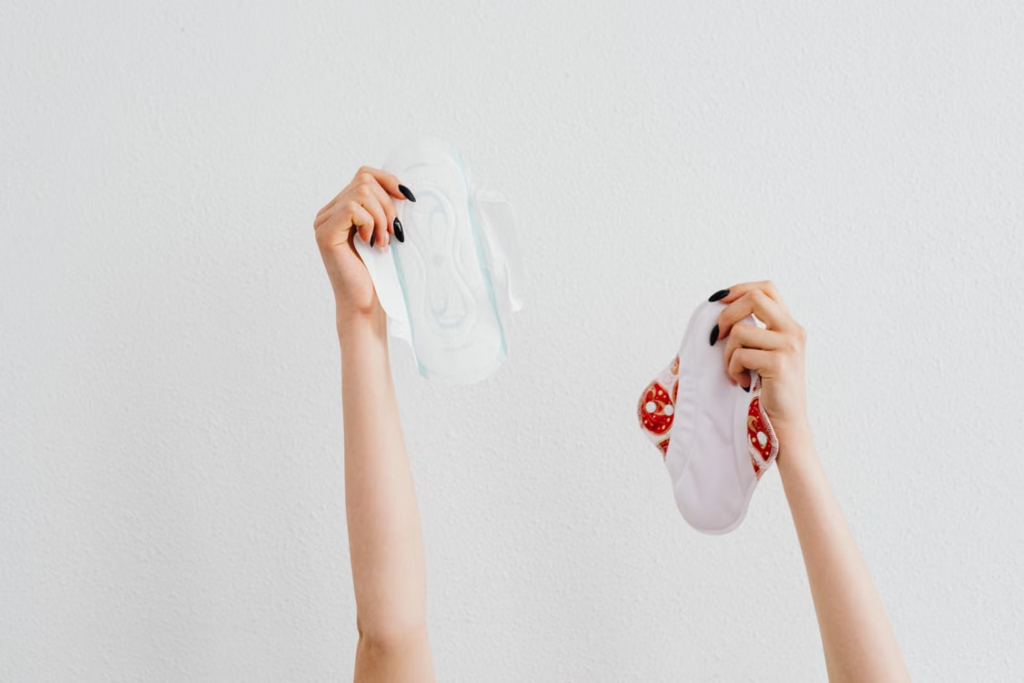
Confidence can also grow through simple self-care habits. Keeping menstrual products available, tracking periods, learning how different products work, and knowing how to manage discomfort can make menstruation feel more manageable.
Making Questions Feel Normal
Young people may have questions about periods that they feel uncomfortable asking. They may wonder about bleeding, cramps, menstrual products, body changes, or whether their experiences are normal.
Trusted adults can make these conversations easier by listening without judgment and using straightforward language. Menstrual health hygiene education for preteen girls can also give younger students information before their first period, so they are not learning everything during an unfamiliar or stressful moment.
Handling Embarrassment and Period Stigma
Embarrassment often comes from the belief that menstruation is something that should remain hidden. Treating periods as a normal part of health education can gradually change that mindset.
Schools, families, and community organizations can help by avoiding shame-based language and giving young people opportunities to discuss menstrual health respectfully. Efforts focused on eliminating period poverty for young girls can also address the practical barriers that may make menstruation more difficult for some students.
How Utpat Foundation Supports Menstrual Confidence
Menstrual confidence is closely connected to access to information, resources, and supportive conversations.
We are Nishka Utpat and Kaanchi Utpat, two teenage sisters who have started a 501(c)(3) nonprofit charity called Utpat Foundation, committed to advancing menstrual equity programs for teens and preteens. Our goal is to raise awareness among preteens and teenage girls about menstrual hygiene, education, and other social issues. Through our efforts, we strive to help young girls understand their coming-of-age experiences, dispel fears, and build confidence in managing their menstrual health. The Utpat Foundation also runs a podcast, Girlhood Unfiltered, available on Apple iTunes, Spotify, Google Podcasts, and Amazon Audible. Additionally, we have a YouTube channel, Utpat Sisters, with over 4.7k subscribers and 279k+ views, dedicated to empowering young girls through education and awareness. For sponsoring our initiatives, partnering with nonprofits supporting menstrual health, or collaborating with us, reach out at utpatfoundation@gmail.com.
