
One of the main reasons menstrual health hygiene education for preteen girls remains inconsistent is the lack of proper school programs. Many underserved communities face teacher shortages, insufficient curriculum, and cultural taboos that prevent girls from learning about puberty and menstruation. Without accurate information, misconceptions flourish, and girls may feel unprepared for their first period. Early education has a significant impact on confidence and hygiene practices, yet these programs remain scarce where they are needed most.
Shortage of Menstrual Products
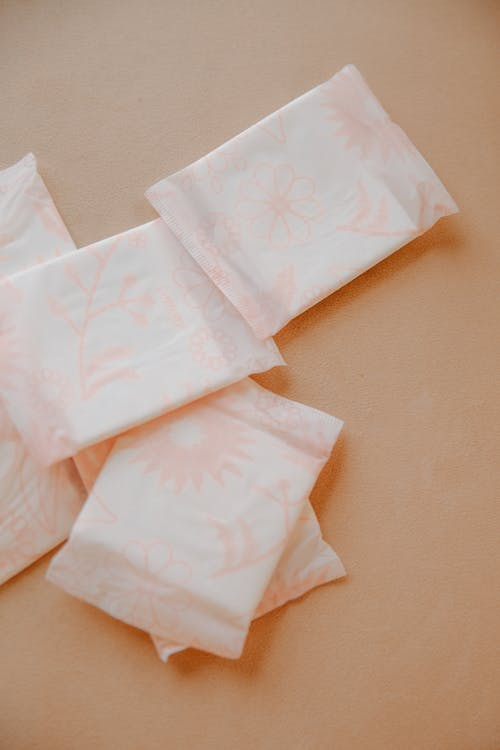
Access to menstrual hygiene products is another significant barrier. Many low-income families cannot afford sanitary pads or tampons, forcing young girls to use unsafe alternatives. Programs focused on providing sanitary pads to marginalized communities are essential, but distribution remains uneven. Limited product availability contributes to absenteeism from school and health risks due to unhygienic practices. Even when local NGOs and nonprofit organizations donate menstrual products, attempt to fill the gap, and supply chains and funding constraints are addressed, reaching every girl remains difficult.
Lack of Supportive Resources
Beyond education and products, girls need supportive resources at home and school. Mentors, health counselors, and peer networks help young girls navigate puberty with confidence. Unfortunately, in many underserved communities, these resources are minimal. Cultural stigma and silence around menstruation reinforce shame, making it harder for girls to ask questions or seek help. Programs that focus on breaking menstrual stigma in underserved communities are critical to normalizing menstruation and creating safe spaces for discussion.
The Role of Awareness Programs
Comprehensive menstrual awareness programs for schools can reduce misinformation and absenteeism while empowering students to manage their menstrual health safely. These initiatives often include workshops, informational materials, and training for educators, helping to address gaps left by systemic inequalities. Integrating such programs into school curricula ensures consistent support for girls across various communities.
Support Young Girls’ Menstrual Education
We are Nishka Utpat and Kaanchi Utpat, two teenage sisters who have started a 501(c)(3) nonprofit charity called Utpat Foundation. Our goal is to raise awareness among preteens and teenage girls about menstrual hygiene, education, and other social issues. Through our efforts, we strive to help young girls understand their coming-of-age experiences, dispel fears, and build confidence in managing their menstrual health. The Utpat Foundation also runs a podcast, Girlhood Unfiltered, available on Apple iTunes, Spotify, Google Podcasts, and Amazon Audible. Additionally, we have a YouTube channel, Utpat Sisters, with over 4.7k subscribers and 279k+ views, dedicated to empowering young girls through education and awareness. For sponsoring our initiatives or partnering with us, reach out at utpatfoundation@gmail.com.
